
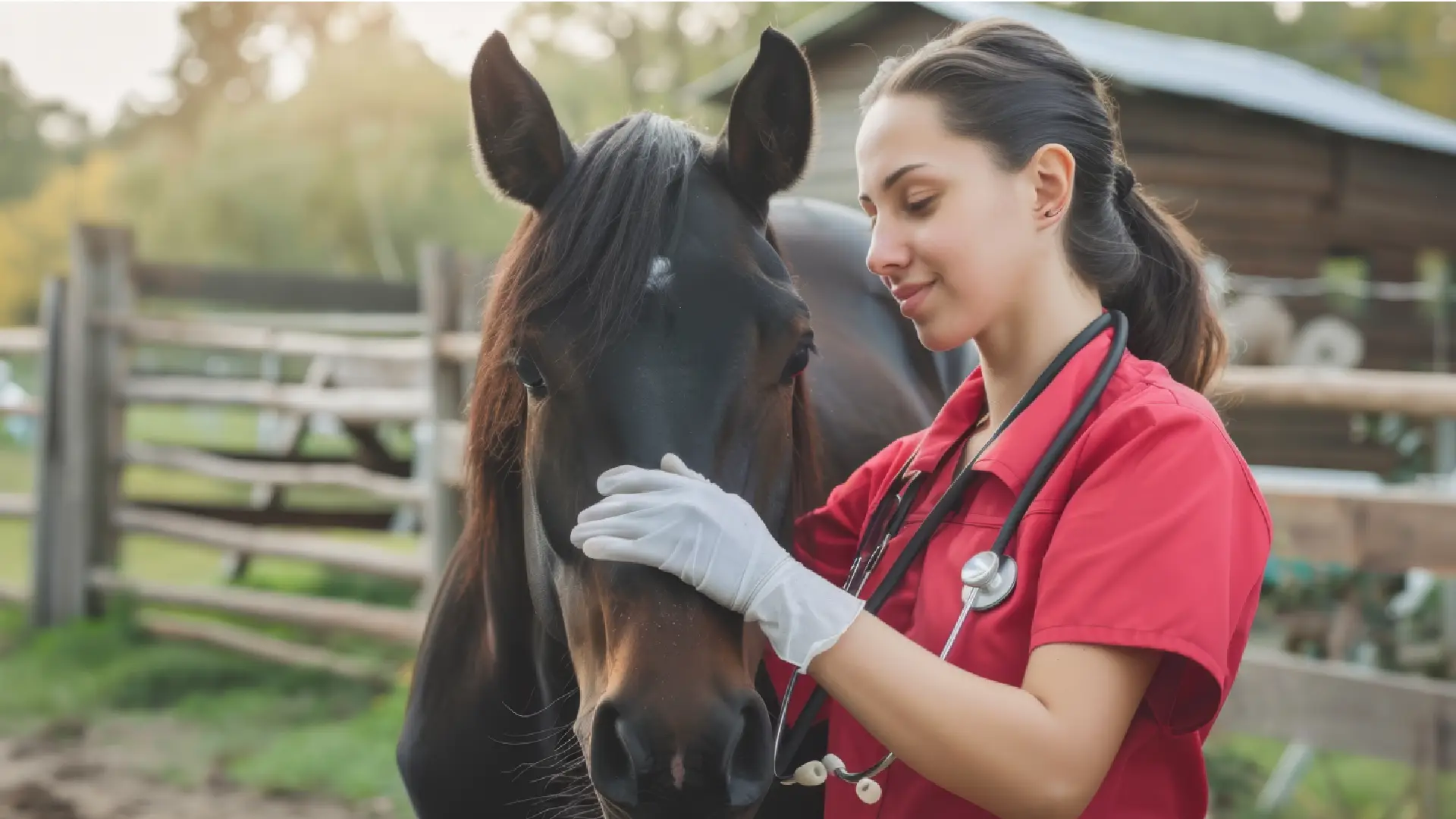
Few moments are more stressful for a horse owner than receiving an unexpected call from the stable yard. A horse has developed signs of colic, suffered an injury in the paddock or returned from exercise noticeably lame. Within minutes, your priorities shift from daily routines to securing urgent veterinary care. At that point, financial considerations often become secondary to your horse’s wellbeing.
Unfortunately, emergency treatment can quickly become expensive. Diagnostic imaging, specialist medication, surgery, hospitalisation and ongoing rehabilitation all contribute to rising horse vet costs across South Africa. Advances in equine medicine have improved treatment outcomes significantly, yet these advances have also increased the cost of providing specialist veterinary care.
Every horse owner hopes they will never face a serious emergency. Even so, accidents and illness rarely provide advance warning. Competition horses, breeding stock, pleasure horses and retired companions can all require urgent veterinary attention at some point during their lives. Preparing financially before that happens allows decisions to be guided by medical need rather than financial pressure.
Responsible ownership extends beyond feeding, farrier visits and routine vaccinations. It also involves planning for the unexpected. Building an emergency fund, understanding the potential cost of treatment and considering specialist equine insurance all form part of a sensible long-term risk management strategy.
This guide explores the realities behind emergency veterinary expenses in South Africa, explains what influences treatment costs and outlines practical steps every horse owner can take to prepare for unexpected medical emergencies.
Quick Answer: Horse vet costs in South Africa can increase rapidly during emergencies because treatment often requires specialist diagnostics, medication, surgery, hospitalisation and follow-up care. Financial planning, preventative healthcare and specialist equine insurance can help owners prepare for these unexpected expenses.
Why Horse Vet Costs Continue to Rise in South Africa
Modern equine veterinary medicine has advanced considerably over the past decade. Today’s veterinarians have access to sophisticated diagnostic equipment, improved surgical techniques and specialised rehabilitation programmes that were once available only at a handful of referral hospitals. These developments have transformed the standard of care available to South African horse owners.
Greater capability, however, also comes with higher operating costs. Veterinary practices invest heavily in advanced imaging equipment, laboratory services, specialist facilities, pharmaceuticals and highly trained personnel. Maintaining emergency call-out services, particularly after hours or over weekends, adds further pressure to operating expenses.
Inflation, imported medical equipment, rising fuel prices and increasing transport costs have also influenced veterinary fees throughout South Africa. Consequently, owners should review their financial planning regularly rather than relying on treatment costs from several years ago.
Owner Insight: Advances in veterinary medicine have greatly improved the chances of successful treatment for many equine conditions. Preparing financially allows your veterinarian to focus on delivering the best possible care when every minute matters.
Emergency veterinary treatment is rarely limited to a single consultation. Once a veterinarian begins investigating the underlying cause of an illness or injury, several procedures may be required before a diagnosis can be confirmed and an appropriate treatment plan developed. Understanding these costs helps horse owners prepare more realistically for unexpected situations.
Every emergency is unique. A minor wound may require only cleaning and sutures, while a horse showing signs of severe colic could need advanced imaging, intensive medical treatment or referral to an equine hospital for surgery. As the complexity of treatment increases, so too can the overall financial commitment.
What Typically Contributes to Horse Vet Costs?
Emergency veterinary accounts often consist of several individual services rather than one single fee. Depending on your horse’s condition, treatment may include:
- Emergency call-out fees.
- Clinical examinations.
- Sedation where required.
- Blood tests and laboratory analysis.
- Ultrasound and digital radiography.
- Endoscopy or specialised diagnostic procedures.
- Medication and intravenous fluids.
- Wound treatment and suturing.
- Hospitalisation and intensive nursing care.
- Follow-up examinations and rehabilitation.
Although not every emergency involves all of these services, multiple procedures are often necessary before treatment can begin. Consequently, costs may increase quickly during complex medical cases.
After-Hours Emergencies Often Cost More
Many equine emergencies occur outside normal business hours. Colic rarely waits until Monday morning, and injuries sustained during evening turnout or weekend competitions frequently require immediate veterinary attention. As a result, after-hours call-out fees may be higher than routine daytime consultations.
Travelling long distances to rural properties or attending emergencies at equestrian events may also influence the overall cost of treatment. Owners in remote areas should consider these additional factors when planning their annual horse healthcare budget.
Referral Hospitals Provide Specialist Care
Some conditions require facilities that are unavailable during routine ambulatory visits. Referral hospitals offer specialist surgeons, advanced imaging, intensive care units and continuous monitoring for horses requiring complex treatment. While these services improve treatment options considerably, they also represent a significant financial commitment.
Knowing where your nearest equine referral hospital is located before an emergency occurs can save valuable time when rapid treatment becomes essential.
Financial Planning Tip: Emergency veterinary bills often reflect the combination of diagnostics, medication, specialist expertise and ongoing care rather than one isolated procedure. Preparing for the complete treatment journey provides a more realistic view of potential costs.
The Most Common Equine Emergencies That Require Immediate Veterinary Care
While every horse is different, certain medical emergencies occur far more frequently than others. Recognising these conditions early and seeking prompt veterinary attention can improve treatment outcomes while reducing the likelihood of serious complications.
Horses have an extraordinary ability to mask pain and discomfort. By the time obvious clinical signs become apparent, a condition may already require urgent medical attention. Recognising changes in behaviour, appetite, movement or general demeanour allows owners to involve their veterinarian sooner, improving the chances of a successful outcome.
Although some conditions develop gradually, others progress rapidly and should always be treated as emergencies. Delaying treatment in the hope that a horse will recover without veterinary intervention can lead to more serious complications and significantly higher treatment costs.
Colic: Every Horse Owner’s Greatest Concern
Colic remains one of the most common equine emergencies encountered by veterinarians in South Africa. The term describes abdominal pain rather than a single disease, meaning the underlying cause can range from mild digestive discomfort to life-threatening intestinal complications requiring emergency surgery.
Early veterinary intervention often provides the best opportunity for successful treatment. Waiting to see whether symptoms improve can reduce treatment options and increase both medical risks and financial costs if surgery ultimately becomes necessary.
Traumatic Injuries and Lacerations
Horses are naturally curious and powerful animals. Injuries may occur during turnout, transport, competitions or even within familiar paddocks and stables. Deep wounds, severe bleeding, tendon injuries and fractures all require prompt veterinary assessment to reduce the risk of infection and long-term complications.
Even wounds that appear relatively minor may involve joints, tendons or important anatomical structures beneath the skin. For this reason, professional evaluation is always advisable whenever significant injuries occur.
Severe Lameness
Sudden or severe lameness should never be ignored. Conditions such as hoof abscesses, tendon injuries, ligament damage or fractures can present with similar clinical signs during the early stages. Prompt diagnosis allows appropriate treatment to begin before further damage occurs.
Owners should avoid forcing an injured horse to continue working until the underlying cause has been established by a veterinarian.
Eye Injuries Require Immediate Attention
Equine eye injuries can deteriorate rapidly and should always be regarded as urgent. Swelling, excessive tearing, cloudiness, squinting or sensitivity to light may indicate conditions that require immediate veterinary treatment to help preserve vision.
Because eye conditions often worsen within hours, delaying treatment may significantly reduce the likelihood of a successful recovery.
Respiratory Illness and Infectious Disease
Respiratory infections, neurological disease and conditions such as African Horse Sickness require rapid veterinary assessment. Early diagnosis not only benefits the affected horse but also helps reduce the risk of disease spreading within the wider yard or competition environment.
Owners should isolate sick horses whenever possible while awaiting veterinary advice and follow recommended biosecurity measures to protect other animals on the property.
Veterinary Insight: Acting quickly often improves both medical outcomes and financial outcomes. Early treatment may prevent relatively minor conditions from developing into complex emergencies requiring prolonged hospitalisation or surgery.
Preventative Healthcare Can Reduce Emergency Horse Vet Costs
Although not every emergency can be prevented, many serious health problems can be reduced through proactive horse management. Routine veterinary care, appropriate nutrition, regular dental examinations, strategic parasite control and careful observation all contribute to keeping horses healthier throughout their lives while reducing the likelihood of expensive emergency treatment.
Many veterinary emergencies cannot be predicted, yet a surprising number can be prevented or identified before they become life-threatening. Consistent management, regular health checks and a proactive approach to horse care remain some of the most effective ways to reduce both medical complications and long-term horse vet costs.
Preventative healthcare should be viewed as an investment rather than an expense. Routine veterinary visits may seem costly at the time, but they often identify developing problems before they require emergency intervention, extended hospitalisation or complex surgery.
Build a Preventative Healthcare Programme
A structured healthcare programme provides your horse with the best opportunity to remain healthy throughout every stage of life. Although every horse has different requirements, most preventative plans include the following:
- Annual or biannual veterinary examinations.
- Vaccinations recommended for your region.
- Strategic parasite control.
- Routine dental examinations.
- Regular farrier visits.
- Body condition and weight monitoring.
- Nutritional reviews as workloads change.
- Prompt treatment of minor injuries before complications develop.
Working closely with both your veterinarian and farrier creates a coordinated approach to horse health that supports long-term soundness while reducing avoidable medical expenses.
Daily Observation Makes a Difference
Owners who spend time observing their horses every day are often the first to notice subtle changes in behaviour. Reduced appetite, altered drinking habits, stiffness, reluctance to move, changes in manure consistency or unusual behaviour may all provide early warning signs that something is wrong.
Keeping simple health records can also be valuable. Recording vaccinations, deworming schedules, dental procedures, injuries and previous illnesses creates a useful medical history that assists your veterinarian during future consultations.
Prepare Before an Emergency Happens
One of the most practical steps any horse owner can take is to prepare for emergencies before they occur. Knowing who to contact, where specialist facilities are located and how your horse will be transported during an emergency reduces unnecessary delays when rapid treatment is required.
- Keep your veterinarian’s emergency number readily available.
- Identify the nearest equine referral hospital.
- Ensure your horsebox or transport arrangements are always accessible.
- Maintain a well-stocked equine first aid kit.
- Store important medical records in an easily accessible location.
- Review emergency financial arrangements regularly.
These preparations may appear simple, yet they often save valuable time when every minute counts.
Horse Owner Tip: The best time to prepare for an emergency is before one happens. Planning ahead allows you to focus entirely on your horse’s wellbeing instead of making important decisions under pressure.
How Specialist Equine Insurance Helps Manage Unexpected Veterinary Costs
Even with outstanding horse management and preventative healthcare, emergencies can still occur without warning. Specialist equine insurance provides an additional layer of financial protection, helping owners manage the cost of insured veterinary treatment while allowing medical decisions to be guided by clinical need rather than financial limitations.
Equine insurance is designed to complement responsible horse ownership, not replace it. Owners who combine excellent daily management with appropriate insurance are often better positioned to respond when serious illness or injury occurs. Instead of worrying solely about the financial impact, they can focus on securing timely veterinary treatment for their horse.
Depending on the policy selected, specialist equine insurance may provide access to benefits that help reduce the financial burden associated with unexpected veterinary treatment. Every policy is different, so understanding the available options before an emergency occurs is an important part of responsible planning.
Cover That Reflects Real Horse Ownership
Every horse has different requirements depending on its age, discipline, breeding value and intended use. A retired companion horse presents different risks from a young showjumper, endurance horse, polo pony or valuable breeding stallion. Specialist equine insurance allows cover to reflect these individual circumstances.
Depending on your individual policy, available options may include:
- Horse medical insurance.
- Horse mortality insurance.
- Colic surgery cover.
- Loss of use protection.
- Horse theft insurance.
- Horse transit insurance.
- Competition horse insurance.
- Breeding stock insurance.
- Public liability cover for horse owners.
- Tack and equipment insurance.
Selecting appropriate cover should always take into account your horse’s value, intended use, travel requirements and overall risk profile. Discussing these factors with a specialist equine insurance adviser helps ensure your insurance reflects your individual circumstances rather than a generic solution.
Preparing for a Veterinary Claim
Good preparation begins long before a claim is ever submitted. Maintaining accurate veterinary records, vaccination history, identification documents and purchase information helps create a smoother process if an insured event occurs.
If your horse requires emergency treatment, focus first on obtaining immediate veterinary care. Thereafter, notify your broker or insurer as soon as reasonably possible, retain all invoices and supporting documentation, and follow the claims procedures outlined in your policy wording.
Choosing a Specialist Makes a Difference
Horse ownership is unlike any other type of insurance risk. Veterinary medicine, breeding programmes, competition schedules, transport requirements and equestrian disciplines all introduce unique considerations. Working with specialists who understand the South African equestrian industry helps ensure your insurance is aligned with the realities of owning and caring for horses.
Planning Insight: Insurance cannot prevent an emergency from happening, but it can help reduce the financial pressure that often follows unexpected veterinary treatment. Preparing before an emergency occurs allows owners to concentrate on their horse’s recovery when it matters most.
Why Horse Owners Choose Cross-Cover and EquineInsurance.co.za
Cross-Cover Insurance Solutions understands that horses represent far more than financial assets. They are trusted companions, valued competition partners, breeding investments and an important part of their owners’ lives. Every insurance solution should therefore reflect both the emotional and financial realities of horse ownership.
EquineInsurance.co.za specialises in helping South African horse owners protect their horses through tailored equine insurance solutions. Whether you own a leisure horse, a competitive athlete, valuable breeding stock or an entire equestrian operation, specialist advice helps ensure your cover reflects your specific needs and level of risk.
By combining proactive horse management, preventative veterinary care and specialist equine insurance, owners can make informed decisions with greater confidence. That balanced approach supports long-term horse welfare while helping reduce the financial uncertainty that often accompanies unexpected medical emergencies.
Frequently Asked Questions
Emergency horse vet costs vary depending on the illness or injury, the treatment required, after-hours call-outs, hospitalisation and specialist procedures. Complex emergencies such as colic surgery or intensive care can cost significantly more than routine veterinary treatment.
Depending on the policy selected, horse medical insurance may assist with insured veterinary expenses resulting from illness or injury. Always review your policy wording and discuss available benefits with your insurance adviser before an emergency occurs.
Colic remains one of the most common equine emergencies. Horses may also require urgent veterinary treatment for traumatic injuries, severe lameness, eye injuries, respiratory disease and other serious medical conditions.
Yes. Regular veterinary examinations, vaccinations, parasite control, dental care, routine farrier visits and early intervention often reduce the likelihood of more serious conditions developing into costly emergencies.
Specialist equine insurance complements responsible horse ownership by helping owners prepare financially for insured veterinary events and other equine risks. Appropriate cover provides greater confidence when unexpected situations arise.
Conclusion
Horse vet costs are an unavoidable part of responsible horse ownership. Although no owner wants to imagine facing a serious illness or accident, preparing financially before an emergency occurs allows veterinary decisions to focus on your horse’s wellbeing rather than immediate financial limitations.
Routine healthcare, careful daily management and early veterinary intervention remain the best ways to reduce medical risk. Even so, unexpected situations can still arise despite excellent care. Building an emergency savings fund and reviewing specialist equine insurance are practical steps that help strengthen your overall financial preparedness.
Cross-Cover Insurance Solutions and EquineInsurance.co.za understand the unique challenges facing South African horse owners. By combining proactive horse management with specialist equine insurance, owners can better protect both their horses and their long-term financial wellbeing while continuing to enjoy everything that makes horse ownership so rewarding.
Related Equine Insurance Articles
- The True Cost of Owning a Horse in South Africa
- Horse Insurance in South Africa: A Complete Guide
- Horse Transport Risks Every Owner Should Understand
- Horse Theft in South Africa: Prevention and Protection
Helpful Resources:
- South African Veterinary Association
- South African National Equestrian Schools Association
- South African Equestrian Federation
- Department of Agriculture
Disclaimer: This article is intended for general educational purposes only and does not constitute veterinary, financial or insurance advice. Equine insurance benefits, exclusions, limits and conditions vary between policies. Always consult your veterinarian regarding your horse’s health and review your policy wording to ensure the selected cover is appropriate for your individual circumstances.