
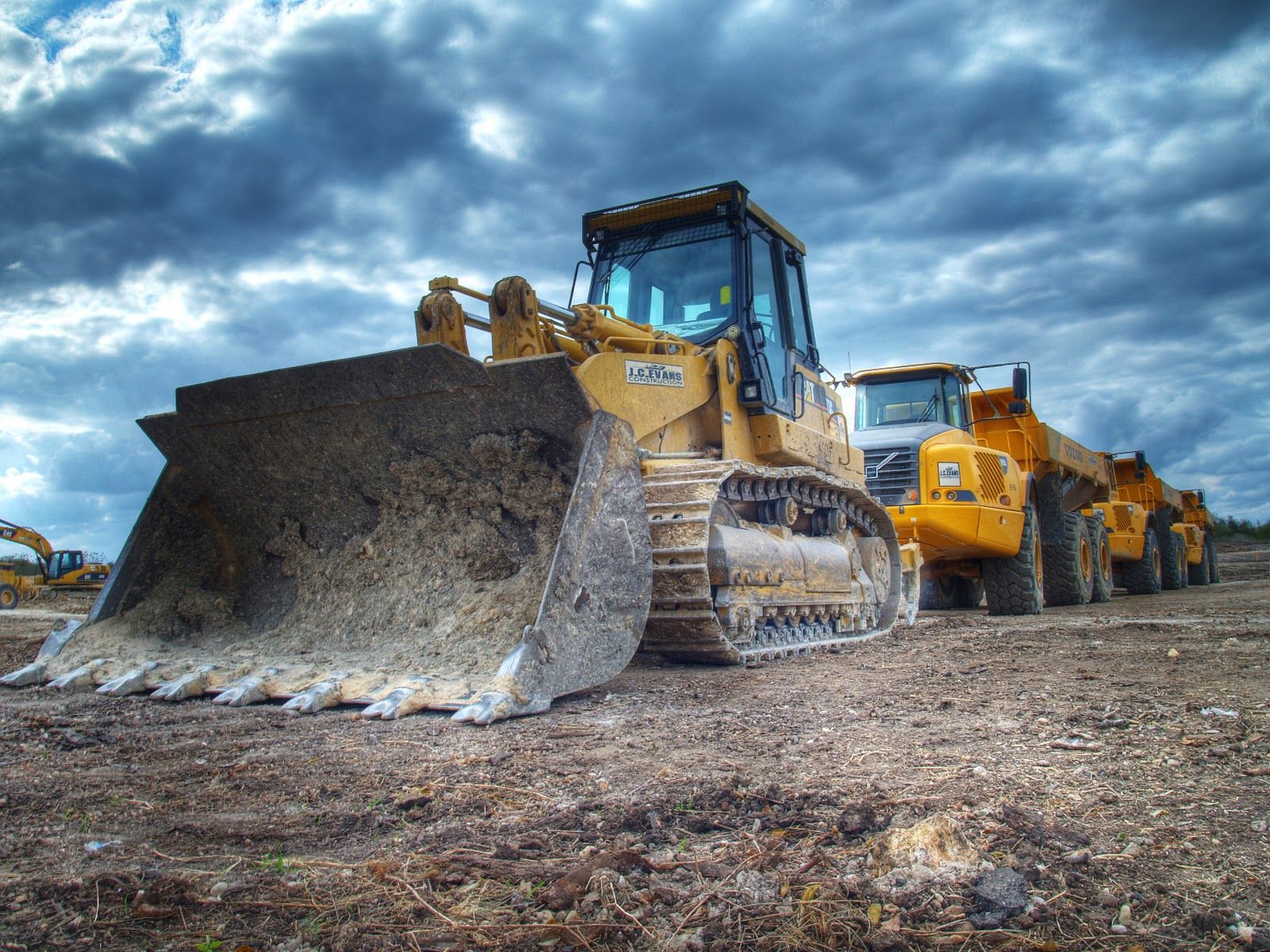
Earthmoving equipment insurance has rarely mattered more. In June 2026, KwaZulu-Natal authorities reported that a criminal syndicate had stolen more than R250 million worth of construction machinery since 2024: 43 machines, including TLBs, excavators, graders, rollers, tipper trucks and truck cranes. Authorities had recovered only 22, worth about R45 million, leaving 21 machines worth roughly R200 million still missing. The thieves used fake number plates and posed as mechanics to get machines off site.
For contractors, plant hire companies and mines, yellow machinery is among the most valuable and most targeted assets in the business. This guide explains how earthmoving equipment insurance works in South Africa, the difference between plant all risks and contractors all risks cover, and what to check before you renew or tender.
Quick Answer
Earthmoving equipment insurance in South Africa usually takes the form of plant all risks cover. It insures the machines themselves (excavators, TLBs, loaders, graders, rollers, dump trucks and cranes) on site, in storage, in transit and while working. Contractors all risks (CAR) is different: it insures the contract works being built and usually includes public liability, but it normally excludes your own and hired plant unless plant cover is added. In practice, most contractors need both, plus Sasria cover for riot and strike damage, which standard policies exclude. Machines that drive on public roads should also be checked for road cover.
What Counts as Plant and Earthmoving Equipment?
Insurers generally treat self-propelled and towed machines used on sites as plant. Typical examples include:
- Excavators and mini excavators
- TLBs (tractor-loader-backhoes) and front-end loaders
- Bulldozers, graders and rollers
- Articulated dump trucks and haul trucks used on site
- Mobile cranes, forklifts and telehandlers
- Compressors, generators and other site equipment
By comparison, a commercial vehicle policy normally covers the road-going trucks, tippers and lowbeds that carry plant between sites. See our guide to heavy commercial vehicle insurance in South Africa.
Plant All Risks: What It Covers
Plant all risks insurance covers loss of, or damage to, your machines themselves. Cover typically applies while the plant is on a contract site, in storage, in transit and while it works as a tool of trade.
Typically covered
- Accidental damage, such as overturning, collision on site or falling objects
- Theft and hijacking, subject to the policy’s security conditions
- Fire, storm, flood and malicious damage
- Damage in transit between sites
Common extensions
- Hired-in plant: machines you rent, which hire agreements often make you responsible for
- Hired-out plant: machines you hire out to others
- Hire charges: the cost of hiring a replacement while an insured machine is repaired or replaced
- Third-party liability arising from the machine’s use
- Sasria cover for riot, strike and civil unrest (see below)
Conditions and exclusions to watch
- Policies usually exclude wear and tear, gradual deterioration and mechanical or electrical breakdown unless you add a breakdown extension
- Theft cover often depends on tracking devices, immobilisers, key control and secure overnight storage
- Use on public roads may be limited or excluded, so check whether a motor policy or road-risk extension is needed
- You may need to declare mining, underground or cross-border use
- Theft excesses are often higher than accidental damage excesses
Contractors All Risks: What It Covers
By contrast, contractors all risks (CAR) insurance protects the project rather than the machines. It covers physical loss of or damage to the contract works while they are being built, including temporary works and materials on site, and usually the cost of removing debris. Most CAR policies also include a public liability section for injury or damage to third parties caused by the project.
You can arrange CAR cover once-off for a single contract or annually for all contracts in a year. However, unless extended, it typically excludes defective workmanship, materials or design, professional indemnity, licensed vehicles, and the contractor’s own plant, tools and hired plant.
Check your contract: under the JBCC Principal Building Agreement, the contractor is responsible for the works from site possession until practical completion, and the contract works insurance must include items such as direct contractors’ work, free-issue materials, professional fees, temporary works and debris removal. The contract data sets the amounts, so read the insurance clauses before you price a tender.
Plant All Risks vs Contractors All Risks at a Glance
| Plant all risks | Contractors all risks | |
|---|---|---|
| What it protects | Your machines and equipment | The contract works being built |
| Where it applies | On site, in storage, in transit and in use | The contract site, plus materials in storage or transit if included |
| Policy period | Usually annual | Once-off per contract, or annual |
| Covers your excavator or TLB? | Yes | Usually not, unless contractor’s plant is added |
| Public liability | Optional extension | Usually included as a separate section |
| Riot and strike damage | Only with Sasria | Only with Sasria |
| Usually needed when | You own or hire machines | A construction contract requires it |
Theft Is the Biggest Plant Risk
The KwaZulu-Natal syndicate case shows how organised plant theft has become: thieves drive machines away or load them onto trucks, fit false number plates and move them out of the area. As a result, insurers attach security conditions to theft cover, and an insurer can reduce or decline a claim if you have not met those conditions.
- Fit a tracking device and keep the monitoring subscription active
- Use immobilisers, and control keys and access codes
- Park machines in a secured, guarded area overnight where possible
- Record serial and PIN numbers, and mark machines visibly
- Verify anyone who arrives to move or repair a machine before they touch it
For this reason, ask your broker to confirm in writing which security conditions apply to each machine.
Sasria: Riot, Strike and Public Disorder
In addition, standard plant and CAR policies usually exclude damage caused by riots, strikes and civil unrest. Sasria SOC Ltd, the state-owned special risks insurer, offers construction risks cover for contract works and construction plant, whether owned or hired-in, against riots, strikes, civil commotion, public disorder, related looting and service delivery protests. Your broker or insurer adds Sasria cover to your policy, and sites exposed to protests or labour unrest should not go without it.
How Earthmoving Equipment Insurance Premiums Are Worked Out
Insurers underwrite earthmoving equipment insurance machine by machine. The main factors are:
- The replacement value, age and type of each machine
- Where and how it works: civils, roads, mining, quarries or agriculture
- Theft risk in the areas where it operates, and the security fitted
- Whether it travels on public roads or crosses borders
- Hired-in or hired-out use
- Operator experience and training records
- Claims history and the excess you choose
For how similar factors drive truck premiums, see How Much Is Truck Insurance in South Africa?
Earthmoving Equipment Insurance Checklist Before You Renew or Tender
- List every machine with its serial number, year and current replacement value
- Confirm the basis of settlement, such as market value or replacement value, for each machine
- Check that your security matches the policy’s theft conditions
- Confirm cover for hired-in plant and read your hire agreements
- Check whether machines drive on public roads and how that use is covered
- Add Sasria cover for plant and contract works
- Match your CAR limits to the insurance clauses in each construction contract
- Declare mining, underground or cross-border work before it starts
How Cross-Cover Arranges Earthmoving Equipment Insurance
Cross-Cover Insurance Solutions is an authorised financial services provider (FSP 14628) that specialises in heavy commercial vehicle and earthmoving equipment insurance. Our brokers arrange plant all risks, contractors all risks and commercial vehicle cover together, so your machines, trucks and projects have no gaps between policies, and we support you through the claims process.
Frequently Asked Questions
There is no fixed price. Insurers price earthmoving equipment insurance machine by machine, based on each machine’s replacement value, age and type, where and how it works, the theft risk and security fitted, road or cross-border use, claims history and the excess you choose.
Plant all risks insurance covers loss of or damage to construction and earthmoving machines, such as excavators, TLBs, loaders and graders, while they are on site, in storage, in transit or in use. It typically covers accidental damage, theft and fire, subject to the policy’s conditions and exclusions.
Plant all risks insures your machines. Contractors all risks insures the contract works being built, such as the building or road under construction, and usually includes public liability. In practice, most contractors need both.
Usually not. Contractors all risks policies normally exclude the contractor’s own plant and hired plant unless plant cover is added, so insure machines under a plant all risks policy or extension instead.
No law requires plant insurance in South Africa, but hire agreements, finance agreements and construction contracts commonly require it, and an uninsured loss can be large enough to stop a project.
Not on its own. Standard policies usually exclude damage from riots, strikes, civil unrest and public disorder. You cover it by adding Sasria cover through your broker or insurer.
Only if your policy includes a hired-in plant extension. Hire agreements often make the hirer responsible for loss or damage, so check the agreement and your policy before a hired machine arrives on site.
Related Articles
- Heavy Commercial Vehicle Insurance in South Africa: What Fleet Owners Need to Know
- How Much Is Truck Insurance in South Africa? What Really Drives HCV Premiums in 2026
- The Complete HCV & Fleet Insurance Guide (Costs, Cover & Savings)
- Fleet Downtime: The Hidden Cost of Standing Still for South African Fleet Operators
Sources
- Construction Safety: More than R250 million worth of construction machinery stolen in KZN by a criminal syndicate (June 2026)
- Sasria SOC Ltd: Construction Risks Cover
- SANS 10400: Contractors All Risk Insurance Policy Explained
- Agora Africa: Insurances and Guarantees, Clauses 8, 10 and 11 of the JBCC
Disclaimer: This article is for general information only and does not constitute insurance, legal or financial advice. Plant all risks and contractors all risks cover, terms, conditions, excesses and exclusions vary between insurers and depend on the individual risk. Obtain professional advice for your specific requirements.